Episode 1: Can the past indicate our future? 1918 Spanish Flu and Theatres
With the news that events in Germany have been cancelled until at least October 2020 and events with capacities over
A series of articles exploring the impact of the pandemic on events.

With the news that events in Germany have been cancelled until at least October 2020 and events with capacities over 5000 are banned in Ireland until the end of August, industry professionals are looking to each other and news articles to find some indication of how our industry will be impacted once these restrictions are lifted. Just as our flying experience changed post 9/11 when we were unable to pack liquids over 100ml into hand luggage, events will change, but how?
Starting with academic articles, I’m looking into research on the societal impact on human lives after previous pandemics. I want to understand if there is any evidence of how places of mass gatherings changed, if at all, afterwards. I have just begun and came across newspaper articles on film theatres in the US during the pandemic.
Some of what I read struck me and I share this with you now as it may be of interest.
Firstly and most notably, there were two waves of the Spanish flu, with the first wave leaving a relatively low mortality rate. The second wave, beginning August 1918 and lasting into 1919, caused devastation. (Killingray, 2003).
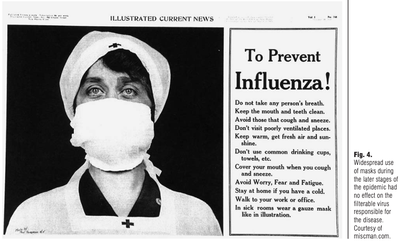
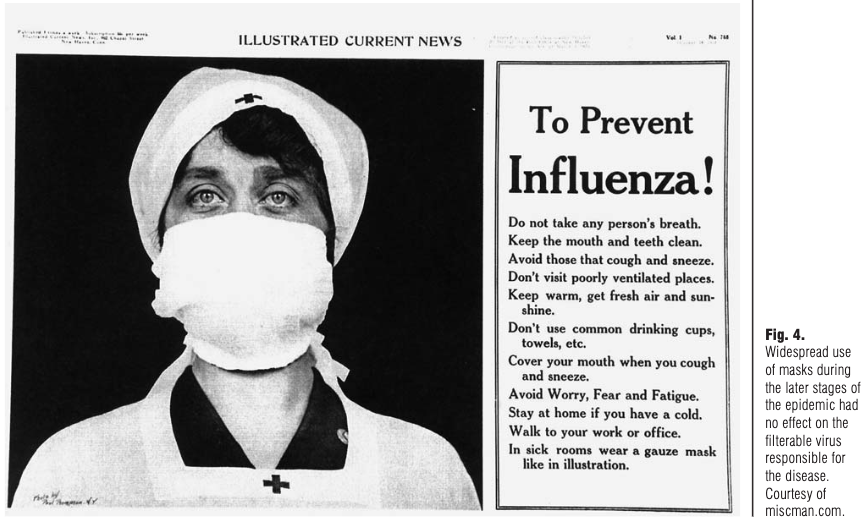
As the advert below indicates, the Non-Pharmaceutical Interventions (NPI) strategy used in 1918 is similar to ours today. The development of Social Distancing as a strategy in the US is outlined in an article in the New York Times, wherein the government ramped up preparation in response to the threat of avian/bird flu H5N1. This triggered studies into the 1918 Spanish flu which both concluded that cities which activated aggressive social distancing measures including the closing of schools, places of mass gatherings, isolation and quarantine; were ones with the lowest overall death toll (Hatchett et al 2007, Markel et al 2007). Furthermore, a study into social network modelling indicated that closing schools and keeping age classes at home proved effective in mitigating progression of pandemic influenza (Glass et al, 2006)
In short, social distancing works and is a key factor in dealing with a pandemic.
Below is a snippet of a public health advert in a US newspaper during the 1918 pandemic. Before being ordered to close their doors, theatres brought in measures such as mask-wearing, with some incorporating it due to fear of being ‘mask slackers’. I find this interesting as it may be a point of further investigation regarding social identity in conforming to social expectations. Other measures included staggered seating and some venues closed altogether due to low audience numbers in fear of catching the virus. In some cities, such as Des Moines, theatres were allowed to remain open but operate at half capacity using alternate rows.

Implementing social distancing was not a consistent process across cities as depicted in this article about Michigan’s Health Board meeting on 19 October 1918;
“Dr. Inches and the Detroit doctors bitterly fought against closing the theatres, arguing that keeping them open did more good than harm not only because of their latest ventilating systems, but because of their educational value.“SOURCE: KOSZARSKI (2005)
Many theatres closed and others revived after the ban was lifted, such as in Boston (then lost out to good weather):
“Following the reopening of the motion picture houses after a three-weeks’ closing because of the grip epidemic there was a record breaking attendance. Every manager reported large audiences with a prospect of one of the best seasons in years. Then the weather man stepped in with some of the warmest October days known in years, and after the depression of the epidemic, people flooded into the public parks and out-of-door places in preference to attending the theatres.” (16 November 1918)SOURCE: KOSZARSKI (2005)
However, in Wilmington, new life looked bleak for theatres:
“Attendance at the local picture houses has been away below par since reopening, not even keeping up to the hot weather records for attendance. The epidemic is entirely wiped out here, and the only cause to which poor business can be attributed is the fact that many have found that they can enjoy their own fireside of evenings, and have become more or less detached from their habit of attending the movies by the closed period, which extended over four weeks’ time.” (23 November 1918)SOURCE: KOSZARSKI (2005)
The following gives a glimpse to how life resumed post-pandemic:
“The influenza ban was lifted by the Los Angeles Health Board on 2 December. Theatres opened after a darkness of seven weeks, the longest closed period suffered by any city of this size. People are still nervous about crowds, but houses are doing good business.” (14 December 1918)SOURCE: KOSZARSKI (2005)
Above is but a snippet, and I hope the insight proved useful. I continue to research articles to identify any indications that may prove useful to the events industry as we continue down this untrodden path.
Glass, R. J., Glass, L. M., Beyeler, W. E. and Min, H. J. (2006) “Targeted Social Distancing Designs for Pandemic Influenza.” Emerging Infectious Diseases, 12(11) pp. 1671–1681.
Hatchett, R. J., Mercher, C. E. and Lipsitch, M. (2007) “Public health interventions and epidemic intensity during the 1918 influenza pandemic,” 104(18) pp. 7582–7587.
Killingray, D. (2003) “A New ‘Imperial Disease’: The Influenza Pandemic of 1918-9and its Impact on the British Empire.” Caribbean Quarterly. (Colonialism and Health in the Tropics), 49(4) pp. 30–49.
Koszarski, R. (2005) “Flu season: Moving Picture World reports on pandemic influenza, 1918-19.” Film History: An International Journal, 17(4) pp. 466–485.
Markel, H., Lipman, H. B., Navarro, J. A., Sloan, A., Michalsen, J. R., Stern, A. M. and Cetron, M. S. (2007) “Nonpharmaceutical Interventions Implemented by US Cities During the 1918-1919 Influenza Pandemic.” JAMA, 298(6).

It’s easy to assume that if influenza could be transmitted within the home, at school and at work, that the risk is exponential at a sports event or festival. Evidence has shown us that if restrictions on mass gatherings are implemented early on in pandemic, alongside other social distancing measures, can greatly reduce the risk of transmission. However, research conducted into virus transmission at mass gatherings is showing that there is varied evidence in the association of size with the transmission of influenza (Ishola and Phin, 2011). In the current climate, the banning of events seems to be based on size rather than any other factor, but is this the appropriate metric to measure? Is the risk of transmission greatly reduced by banning an event over 1,000 people but allowing one with 999 to go ahead?
Reducing density and shortening duration at an event reduces the risk of transmission.
Research into public health at mass gatherings shows that it appears the type of event is key in assessing the level of risk to spreading influenza (Ishola and Phin, 2011). Events with high crowd densities (estimated at 5 or more per square metre) and where people lived close together for prolonged periods, for example, Hajj pilgrimage and large music festivals, displayed high rates of transmission (Memish et al, 2015). The authors even claim that the size of the event does not seem to be a critical factor. The higher transmission rates seem to be where contact continues outside of the event venue, such as accommodation; and events with campsites usually have sub-optimal hygiene facilities.
Reducing density is usually the first policy implemented as we already know that social distancing works. Evidence tells us that cities implementing rapid and strict non-pharmaceutical measures including social distancing early on in a pandemic, recover quicker than cities that don’t (Correia et al, 2020). Reducing density and shortening duration at an event reduces the risk of transmission.
Recent studies indicate that the novel coronavirus can remain in aerosols for up to 3 hours and on plastic and stainless steel for up to 72 hours(Doremalen, 2020). However, the virus remains stable for around 180 minutes with decline after 3 hours (Lewis, 2020). Another study found the virus can last for up to 9 days (Kampf et al, 2020). Transmission is also higher indoors compared to outdoors (Qian et al, 2020). This can enable spaces like hygiene facilities to become virus hotspots, regardless of how good a social distancing policy is.
A previous study showcased the rate of transmission through UV light using a ‘fake virus’. After inoculating a bathroom faucet and exit door handle in an office, the resin spread to staff’s hands, face, phone and hair. 20 minutes after arriving home from work, the resin was then found on their keys, purses, doorknobs, countertops, kitchen appliances and light switches (Reynolds et al, 2005). This highlights how thorough and frequent hand washing is crucial to reducing transmission.
The fear of a pandemic can have worse implications than the virus itselfHONINGSBAUM, 2013
Researching the impact of previous pandemics such as the 1918 Spanish Flu and Ebola, academics and doctors stated that the fear of a pandemic can have worse implications than the virus itself (Honigsbaum, 2013) (Kolata, 2020). Negative emotions that result from a threat can be contagious, and fear can make the threat feel real (Bavel et al, 2020). There’s no event without our crowd and so, not only is our challenge in changing crowd behaviour in this climate, it’s instilling confidence to even attend an event in the first place. We know that emotions, rather than factual information, often drive our perception of risk and those who have favourable feelings towards an activity will judge its risk as low and benefits high (Slovic et al, 2004). An example of this is in a recent survey of festival attendees in the UK, Germany, France and the Netherlands, which indicated 82% of 110,000 felt confident attending a festival within one to six months of the lockdown being lifted (Parry, 2020). Those who want to attend events will still attend events.
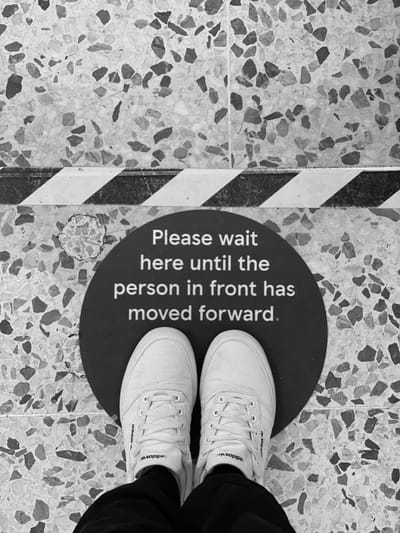
Then there is an element of ‘retraining’ the crowd. We have already been ‘taught’ to maintain social distance, to wash our hands frequently, to queue patiently to get into the local supermarket and to gladly allow key workers ahead of us. This has been accepted into our social parameters and we risk reputation and shame if we do not adhere. Social norms differ across cultures and this has an impact on the risk of transmission. For example, societies that promote individualism (North America, Western Europe) can have higher rates of transmission than through interdependent cultures (Asia), due to priority given to moral obligation over personal desires and punishment for deviance (Bavel et al, 2020). Furthermore, we all hold bias and often rely on heuristics (Kahneman, 2011). Therefore it is crucial to consider how your audience behaves, what fears and expectations they have, and what their perception of risk is when forming a ‘restart’ strategy.
Risk is dynamic because humans are dynamic.
How does this information assist the events industry in getting back on its feet? Considering the evidence, we can develop strategies that reduce the risk of transmission. For example; events could start with low densities, short durations and ensure welfare facilities are designed of high quality and frequently cleaned. I talk more about this in Episode 4.
Alongside continued social distancing, what other actions can we take to reduce risk and increase safety? Focusing on virus hotspots, we’re seeing measures taken for restroom facilities including using touchless fixtures, propping doors open to minimise contact (not fire doors, unless automatic release system in place), using one way systems, and putting wastebaskets on exit (for those who use paper to avoid touching faucets) (Occupational Health & Safety, 2020). The Event Safety Alliance published a comprehensive guide to reopening venues safely and recommend strategies including electrostatic cleaning mist to spray over seats in between events (Adelman, 2020). User behaviour is changing too, for example, an American company that makes workplace bathrooms conducted a survey and found 91% customers now want touchless facilities, a statistic they’ve never seen before (Fisher, 2020).
There is no one certified magic fixer here, but there is a lot we can do. Risk is dynamic because humans are dynamic. At 9 am after a thorough clean, your venue could be low risk in transmitting the virus. At 09:20 am your venue could become high-risk after 100 people were let in, mingle in the foyer and then all used the restroom.
It is salient to remember virus transmission is one of many risks that can affect the health, safety and welfare of your staff and attendees. Whether or not we are experiencing a pandemic; constant vigilance, dynamic risk assessment and consistent action can reduce risk and keep our crowds safe at events.
Adelman, S. A. (2020) “The Event Safety Alliance Reopening Guide.” Event Safety Alliance.
Bavel, J. J. V., Baicker, K., Boggio, P. S., Capraro, V., Cichocka, A., Cikara, M., Crockett, M. J., Crum, A. J., Douglas, K. M., Druckman, J. N., Drury, J., Dube, O., Ellemers, N., Finkel, E. J., Fowler, J. H., Gelfand, M., Han, S., Haslam, S. A., Jetten, J., Kitayama, S., Mobbs, D., Napper, L. E., Packer, D. J., Pennycook, G., Peters, E., Petty, R. E., Rand, D. G., Reicher, S. D., Schnall, S., Shariff, A., Skitka, L. J., Smith, S. S., Sunstein, C. R., Tabri, N., Tucker, J. A., Linden, S. van der, Lange, P. van, Weeden, K. A., Wohl, M. J. A., Zaki, J., Zion, S. R. and Willer, R. (2020) “Using social and behavioural science to support COVID-19 pandemic response.” Nature Human Behaviour pp. 1–12.
Correia, S., Luck, S. and Verner, E. (2020) “Pandemics Depress the Economy, Public Health Interventions Do Not: Evidence from the 1918 Flu.” SSRN Electronic Journal.
Doremalen, N. van, Bushmaker, T., Morris, D. H., Gamble, A., Williamson, B. N., Tamin, A., Harcourt, J. L., Thornburg, N. J., Gerber, S. I., Lloyd-Smith, J. O., Wit, E. de, Munster, V. J. and Holbrook, M. G. (2020) “Aerosol and Surface Stability of SARS-CoV-2 as Compared with SARS-CoV-1.” New England Jourrnal of Medicine. (The New England Journal of Medicine), May.
Fisher, M. (2020) “Nature calls: Why public toilets are causing a lockdown easing dilemma.” Independent. [Online] 25th May. https://www.independent.co.uk/life-style/coronavirus-public-toilets-lockdown-easing-parks-homeless-a9526556.html.
Honigsbaum, M. (2013) “Regulating the 1918–19 Pandemic: Flu, Stoicism and the Northcliffe Press.” Medical History, 57(2) pp. 165–185.
Ishola, D. A. and Phin, N. (2011) “Could influenza transmission be reduced by restricting mass gatherings? Towards an evidence-based policy framework.” Journal of Epidemiology and Global Health, 1(1) pp. 33–60.
Kahneman, D. (2011) Thinking, Fast and Slow. St Ives: Penguin Books.
Kampf, G., Todt, D., Pfaender, S. and Steinmann, E. (2020) “Persistence of coronaviruses on inanimate surfaces and its inactivation with biocidal agents.” Journal of Hospital Infection, 104(3) pp. 246–251.
Kolata, G. (2020) https://www.nytimes.com/2020/05/10/health/coronavirus-plague-pandemic-history.html
Lewis, R. (2020) Coronavirus Stays in Aerosols for Hours, on Surfaces for Days. Medscape Medical News. [Online] https://www.medscape.com/viewarticle/926929_print.
Memish, Z. A., Assiri, A., Turkestani, A., Yezli, S., Masri, M. al, Charrel, R., Drali, T., Gaudart, J., Edouard, S., Parola, P. and Gautret, P. (2015) “Mass gathering and globalization of respiratory pathogens during the 2013 Hajj.” Clinical Microbiology and Infection, 21(6) pp. 571.e1-571.e8.
Occupational Health & Safety (2020) Five Restroom Upgrades to Improve Hand Washing and Minimize Germs. [Online] [Accessed on May 29th, 2020] https://ohsonline.com/Articles/2020/05/29/Five-Restroom-Upgrades-to-Improve-Hand-Washing-and-Minimize-Germs.aspx?Page=3.
Parry, A. (n.d.) After Lockdown Survey: 82% of festival-goers ready to return to live events. Event Industry News. [Online] [Accessed on May 31st, 2020] https://www.eventindustrynews.com/news/after-lockdown-survey-82-of-festival-goers-ready-to-return-to-live-events.
Qian, H., Miao, T., Liu, L., Zheng, X., Luo, D. and Li, Y. (2020) “Indoor transmission of SARS- Co V-2.” (MedRXiv), April.
Reynolds, K. A., Watt, P. M., Boone, S. A. and Gerba, C. P. (2005) “Occurrence of bacteria and biochemical markers on public surfaces.” International Journal of Environmental Health Research, 15(3) pp. 225–234.
Slovic, P., Finucane, M. L., Peters, E. and MacGregor, D. G. (2004) “Risk as Analysis and Risk as Feelings: Some Thoughts about Affect, Reason, Risk, and Rationality.” Risk Analysis, 24(2) pp. 311–322.

As the collective events industry searches for guidance on how to safely restart events, in the absence of authority leadership and advice, we look to each other. Scientists, academics and health & safety consultants are faced with the challenge of providing answers to the many questions we ask. Journal articles, industry papers and respected magazines are issuing recommendations at record speed and every morning there are thousands of articles on COVID-19/SARS-COV2. Within these, we find indications on how we can improve risk assessment and what measures we can apply to our varied and unique industry. Even newspapers are suggesting easy to remember guidelines, such as ‘follow the four C’s‘.
One such trajectory is the use of biometric data capture to allow a person to attend an event. As someone who values privacy as a human right, I find it important that we consider the impact of such systems, both positive and negative, and view them within the bigger picture of our moral obligations. The ‘right to privacy’ encompasses personal identity and aspects of social and physical identity, including a person’s right to their image, biometric, genetic and electronic data (Beduschi, 2019). We are starting to see a shift in the attitude of private industry regarding the use of biometric technology, as giants like IBM and Amazon abandon facial recognition software as evidence of unethical use rise to the surface.
“When you kind of pull back the layers, people aren’t fearful of the facial recognition technology itself. They’re fearful of what happens to that data after”SHAUN MOORE
As quoted in this article on stadium technology and privacy “When you kind of pull back the layers, people aren’t fearful of the facial recognition technology itself. They’re fearful of what happens to that data after”. A football crowd and a rugby crowd have different values, as the values of festival attendees and conferences delegates. Understanding the values of your attendees is key in assessing the best measures to reduce the risk of transmission. For example, an audience attending a conference on data privacy may have strong values and would not feel comfortable taking part in any system that requires them to submit biometric information, especially if it goes to third parties.
Based on people’s experiences with authorities and data protection, some may have a relaxed attitude towards their privacy, unconcerned what happens to their data, but others won’t. Technology and data can be used to discriminate (Beduschi, 2019) and people will be concerned that their biometric data will be captured, stored and used by a private organisation just so they can attend an event. What happens to this data after the event? Will it be destroyed? Will it be accessed by a third party?
It is also important to consider the full process of implementing strategies such as contact tracing or temperature screening linked to ticketing data etc. as it will present logistical, personal and possibly political challenges further down the line. For example, a person buys a festival ticket and plans to drive with three friends. Then, two days before the festival, they test positive for the virus. All of a sudden, a group of four attendees becomes three without transport. Furthermore, if they were in close contact, there is a risk that those three will have contracted the virus, however it would be highly unlikely to show up on temperature screening, virus or antibody test, due to limited rates of accuracy (Pulia et al, 2020)
Does this mean all four now cannot attend? They will get their money back but what impact does this have on the festival budget? From a behavioural point of view, what happens if all those who were exposed still turned up to the festival to gain entry. Firstly, their symptoms may go unnoticed and secondly there is a risk of creating a ‘them and us’ situation at a time when it’s important to create ‘shared social identity’ (Drury et al, 2019).Consideration must be given to how the practicality of this will impact event operations; ingress, car parks, last-mile/zone ex, communications with volunteer stewards, security, or ticketing staff etc. The risk of confrontation and discrimination (I can enter v they cannot) may increase.
Going deeper into the personal experiences of these people; the idea of submitting contact details of friends, colleagues and family to the authorities or even private organisations is not a comfortable one. Dr Reicher spoke in this podcast how it’s not part of our social norms to tell on people, especially if we know it can negatively impact their lives. Furthermore, if you are two days away from attending a festival and find out someone you have been in contact with has the virus, it’s now up to you to quarantine. This could be difficult to comply with, especially if you are feeling well.
Just because the latest technology is available, doesn’t mean we need to use it. A tool only works when it chosen for the right task. A hammer wouldn’t be chosen to screw a bolt. We may jump to consider screening technologies but have we considered if we even need them? If our objective is to hold a successful event, where our crowd arrive and leave safely and in a positive demeanour, then our remit of responsibility for them lies within that scale of time. If we consider the limited accuracy levels of temperature screening (UK Gov, 2020), virus and antibody testing (Pulia et al, 2020) and ineffectiveness of current contact tracing systems (Mueller and Bradley, 2020) then we know that if we used these as access control strategies, we will still allow contagious carriers into our event and probably reject healthy people. The risk of transmission still exists, although somewhat reduced. Then we use contact tracing on top of this which only helps alert people to the fact they may have been exposed, only after the event is already over. Furthermore, there will be limited evidence to confirm the person contracted or transmitted it at the event (Ishola et al, 2011). These solutions don’t serve the event organiser if their plan is to reduce risk to attendees at the event, as much as we think.
It is our role to ensure the safety of staff and attendees as far as reasonably practicable. There are many practical solutions to reduce the risk of transmission at events that could be more effective in the perimeter of responsibility of the event organiser. Often the most effective solutions are the least costly and complicated. I go into this in episode two.
Harnessing the power of behavioural science in developing safe operating strategies, the key message is to listen to and include your audience. Communicating with your crowd in such a way that allows them to feel ‘we are all in this together’ will increase adherence to rules applied. Including them to ‘co-design’ your strategy will not only provide insight as to how to navigate this environment but means they are more likely to comply (Bonell et al, 2020). If biometric technology must be included as part of this strategy, it’s important that engineers implement privacy safeguards as matter of design. An example of this could be combining biometrics with blockchain technology to decentralise the storage of data (Beduschi, 2019).
Whether or not our audience deems privacy as a high value, it is still within our moral obligation to approach biometric data capture strategies with critical awareness. As technology advances and the legal system is still waking up, it’s up to us to define the moral boundary and make decisions based on it. As the quote above states, many are not fearful of the technology itself but fearful of how it’s used. We must treat our attendees’ personal and biometric data with the respect it deserves. We must continue to search for the win-win situation that benefits both our industry and our precious crowds, for, without them, we have no industry.
Beduschi, A. (2019) “Digital identity: Contemporary challenges for data protection, privacy and non-discrimination rights.” Big Data & Society, 6(2) p. 2053951719855091.
Bonell, C., Michie, S., Reicher, S., West, R., Bear, L., Yardley, L., Curtis, V., Amlôt, R. and Rubin, G. J. (2020) “Harnessing behavioural science in public health campaigns to maintain ‘ social distancing ’ in response to the COVID-19 pandemic: key principles.” (British Medical Journal), May.
Drury, J., Carter, H., Cocking, C., Ntontis, E., Guven, S. T. and Amlôt, R. (2019) “Facilitating Collective Psychosocial Resilience in the Public in Emergencies: Twelve Recommendations Based on the Social Identity Approach.” Frontiers in Public Health, 7 p. 141.
Ishola, D. A. and Phin, N. (2011) “Could influenza transmission be reduced by restricting mass gatherings? Towards an evidence-based policy framework.” Journal of Epidemiology and Global Health, 1(1) pp. 33–60.
Pulia, M. S., O’Brien, T. P., Hou, P. C., Schuman, A. and Sambursky, R. (2020) “Multi-tiered screening and diagnosis strategy for COVID-19: a model for sustainable testing capacity in response to pandemic.” Annals of Medicine, May, pp. 1–8.
Mueller, B. and Bradley, J. (2020) “England’s ‘World Beating’ System to Track the Virus Is Anything But.” New York Times. [Online] 17th June. https://www.nytimes.com/2020/06/17/world/europe/uk-contact-tracing-coronavirus.html.
UKGovernment (2020) Don’t rely on temperature screening products for detection of coronavirus (COVID-19), says MHRA. [Online] [Accessed on July 3rd, 2020] https://www.gov.uk/government/news/dont-rely-on-temperature-screening-products-for-detection-of-coronavirus-covid-19-says-mhra?
Weise, K. and Singer, N. (2020) “Amazon Pauses Police Use of Its Facial Recognition Software.” New York Times. [Online] 11th June. https://www.nytimes.com/2020/06/10/technology/amazon-facial-recognition-backlash.html?searchResultPosition=1.
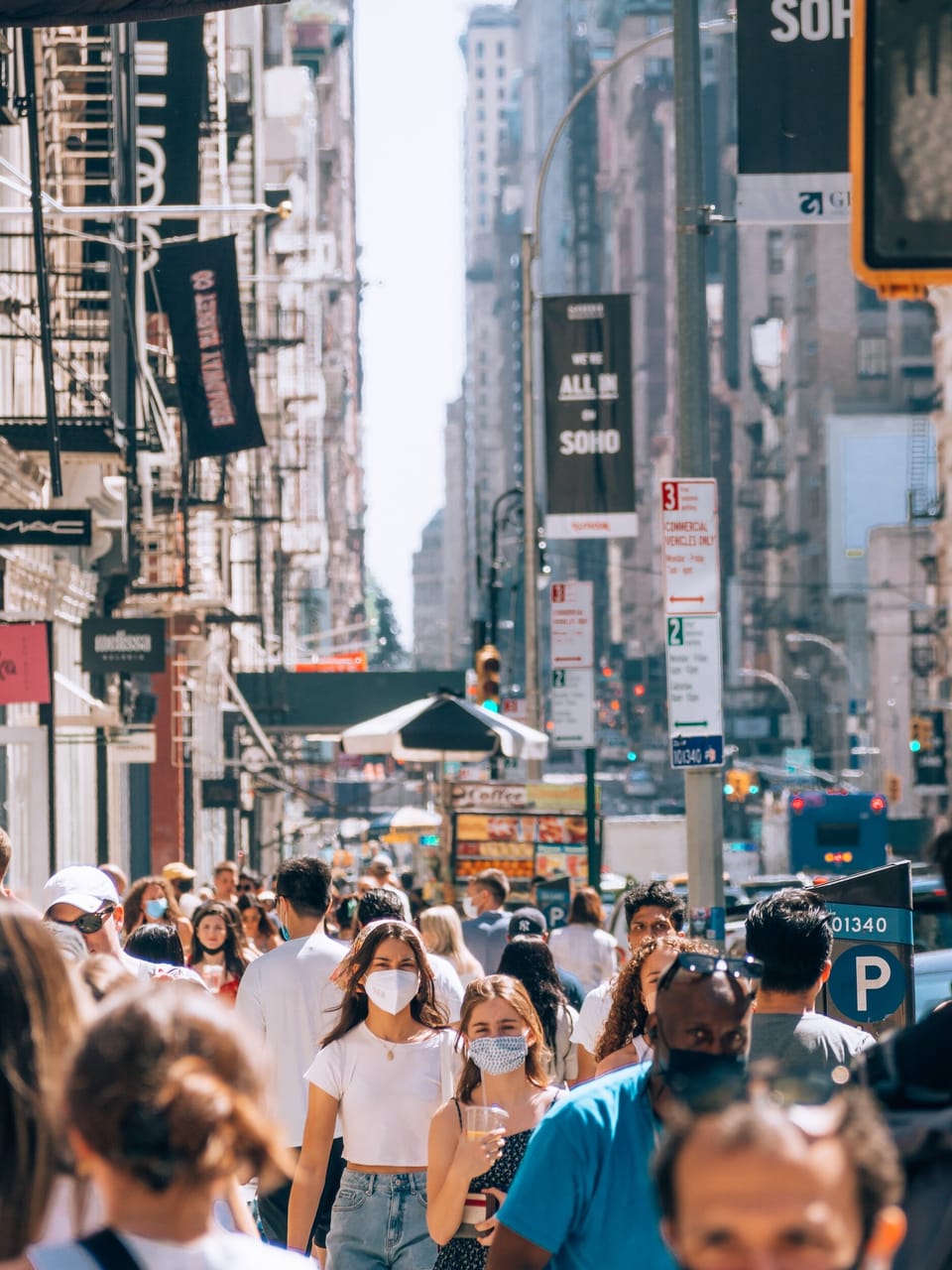

Recently, a group of scientists published an open letter (Morawska and Milton, 2020) urging governments and organisations to consider that airborne transmission of the COVID-19/SARS-COV-2 virus may be more impactful than surface transmission. In this letter they suggested the following low cost and effective measures to reduce the risk of airborne transmission:
We already know that the virus can remain on certain surfaces for periods of time and the most common government advice is to wash hands thoroughly and frequently. More recently we are being asked to wear face coverings when using public transport or visiting shops and now evidence is mounting this may be more important than we initially realised. For example, in May 2020, two hair stylists in Missouri had contracted the virus but before they were confirmed to have coronavirus, they had worked with 139 clients. Health officials contact traced all 139 clients and not one had picked up the virus. How was this so? The CDC believe vigilant mask wearing was a major factor.
Firstly, it’s important to understand the difference between ‘aerosol’ and ‘droplet’. The difference is size. Infectious aerosols are determined as particles under 100 microns (one millionth of a metre) in diameter, that are suspended in gas and can be respired. Infectious droplets are larger than 100 microns and thus fall to the ground within a short distance or shrink by evaporation into aerosols, which can travel further. Contracting the virus via infectious aerosols is also known as ‘airborne transmission’. The movement, settling and deposition of aerosols are influenced by local environment air rates (Kohanski, 2020). Understanding this means we become clear of the impact we have when we breathe, speak, cough or sneeze on the local environment. That we create this aerosol/droplet ‘mist’ in every space we stand in and, without a barrier, it spreads further than we realise. The more distance between people and the better the ventilation, the lower the risk of this ‘mist’ hanging around.

Secondly, understanding how ventilation works and how to apply it effectively in a space where crowds gather is key. Other than mechanical ventilation (opening a window or door) Nardell and Nathavitharana (2020) recommend two other practical solutions; room air cleaners and upper-room germicidal UV (GUV) fixtures. Room air filters include using filters, UV or other methods of disinfection. The CDC recommends ventilation with 6 to 12 room air changes per hour for effective disinfection (CDC, 2017).
Previously, in a study on the transmission rate of SARS in the cabin of a commercial airplane, where ventilation systems have long been in use, the results indicated that the more people moved around the plane, the higher the risk of spreading the virus via airborne transmission (Han et al, 2014). During flight, fresh air is delivered to the cabin and around 50% of air is recirculated through HEPA (High Efficiency Particulate Air) filters. Air exchange rates range from 12-15 per hour, compared to 12 in a typical office.
The airflow in a cabin is laminar, entering overhead and exiting the cabin near the floor. This separates the cabin into sections, and so disease transmission should be limited to within a few rows of an infected passenger (Mangili and Gendreau, 2005). The longitudinal movement of people through the cabin increases the risk of ‘picking up’ and spreading infectious aerosol ‘mist’ from one section of the plane and move it to another.
The less we move, the lower the risk.
Thirdly, we need to apply these principles to our crowd risk assessment. For instance, we already know that outdoor events have better ventilation than indoor events and only recently we learned that being outdoors is 20 times safer than being indoors (Jimenez, 2020). This still means we must maintain a level of physical distancing as, unless we keep our mouths and noses shut, we still create this ‘mist’. We must think about the physical space we are welcoming people into. If it’s an indoor space, does it have adequate ventilation? Is there enough room for everyone to maintain distance from each other? If not, are there suitable barriers to preventing the spread of our ‘mist’? Below are some considerations we can contemplate for our venues, events or places where crowds gather.
Once we have this understanding of our space, consider:
If we are responsible for places where crowds gather; alongside hygiene, we must consider density, duration and ventilation as part of our risk assessment. Our plans are as strong as the weakest link in our chain. The weakest link in this case is the existence of asymptomatic carriers who may not know they have or are spreading the virus. Evidence is mounting that the wearing of a face covering can help reduce the risk of airborne transmission. Even wearing homemade cloth masks can be effective (Cheng et al, 2020) with the most important factor being that the mask is fitted to create a “seal” around the face.
In this climate, we must be responsive to the ebb and flow of an ever changing environment. We are learning more each day on how the virus transmits and which activities (being outdoors instead of indoors) are safer than others. This evidence can guide us to us to rebuild our industry, by designing events that are low risk regarding virus transmission. This in turn helps to rebuild confidence in our audience to return to events. We can do this; by being responsible, adaptable and knowing we are all in this together.
Cheng, V. C. C., Wong, S.-C., Chuang, V. W. M., So, S. Y. C., Chen, J. H. K., Sridhar, S., To, K. K. W., Chan, J. F. W., Hung, I. F. N., Ho, P.-L. and Yuen, K.-Y. (2020) “The role of community-wide wearing of face mask for control of coronavirus disease 2019 (COVID-19) epidemic due to SARS-CoV-2.” Journal of Infection, 81(1) pp. 107–114.
CDC (2017) Guidelines for Environmental Infection Control in Health-Care Facilities. [Online] [Accessed on July 9th, 2020] https://www.cdc.gov/infectioncontrol/guidelines/environmental/index.html.
Han, Z., To, G. N. S., Fu, S. C., Chao, C. Y.-H., Weng, W. and Huang, Q. (2014) “Effect of human movement on airborne disease transmission in an airplane cabin: study using numerical modeling and quantitative risk analysis.” BMC Infectious Diseases, 14(1) p. 434.
Jimenez, J. L. (2020) “COVID-19 Is Transmitted Through Aerosols. We Have Enough Evidence, Now It Is Time to Act.” Time. [Online] 25th August. https://time.com/5883081/covid-19-transmitted-aerosols.
Kohanski, M. A., Palmer, J. N. and Cohen, N. A. (2020) “Aerosol or droplet: critical definitions in the COVID‐19 era.” International Forum of Allergy & Rhinology.
Nardell, E. A. and Nathavitharana, R. R. (2020) “Airborne Spread of SARS-CoV-2 and a Potential Role for Air Disinfection.” JAMA, 324(2).
Mangili, A. and Gendreau, M. A. (2005) “Transmission of infectious diseases during commercial air travel.” The Lancet, 365(9463) pp. 989–996.
Morawska, L. and Milton, D. K. (2020) “It is Time to Address Airborne Transmission of COVID-19.”
Xie, X., Y.Li, Chwang, A. T. Y., Ho, P. L. and Seto, W. H. (2007) “How far droplets can move in indoor environments – revisiting the Wells evaporation–falling curve.” Indoor Air. (Indoor Air), (17) January, pp. 211–225.
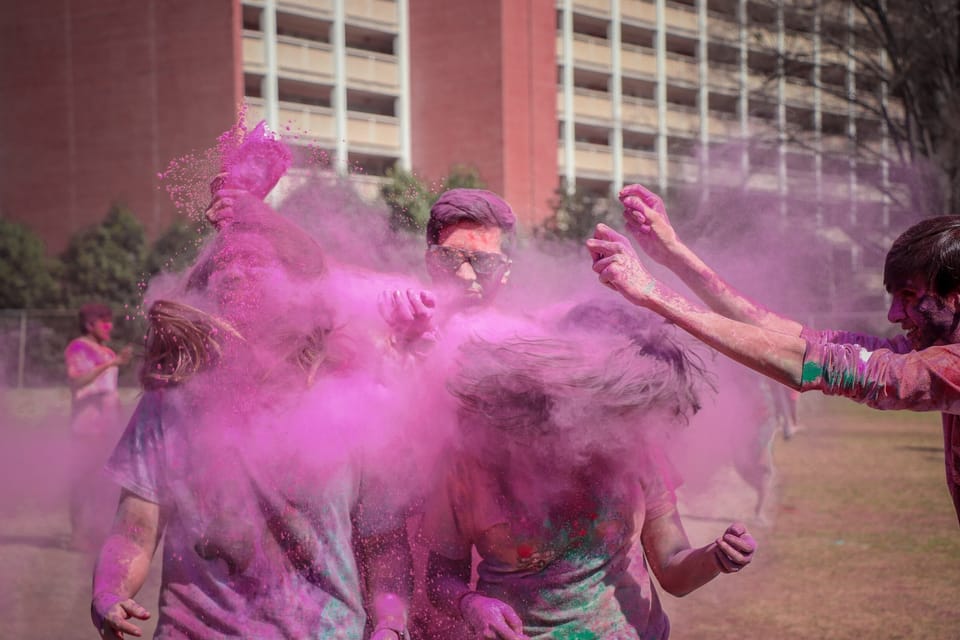

“In Mexico, we say hi by kissing on the cheek. I remember saying, “Is this ever going to come back?” I used to go to a gym, and they closed the gym. But when I went back in mid-June, one of the people who used to go there came out and said hi with a kiss. I felt like, gasp, and then I realised there’s no danger. For me, I thought, “Maybe things are going back to normal.” We forgot pretty quickly. The next two weeks, it was over. We were going to parties again.” GRAHAM, 2020
We are at a stage in this global pandemic where we wonder if things will ever go back to normal again. In the UK, it’s been over six months since the country went into lockdown and as we move into winter and a second lockdown, our exhausted minds are grappling with the concept that we are not near the end of this yet. We found a sliver of hope during the summer months as case numbers dwindled, fuelling our capacity to hold on a little longer. Now we’re tired, and suffering from pandemic fatigue.
However, one can find solace in the fact that, although unprecedented in our lifetime, this is not the first epidemic or pandemic our world has experienced. As a species, we have survived this before: 1918 Spanish Flu (that most resembles our experience today), 1957 Asian Flu epidemic, 1981 AIDS pandemic, 2002 – 2004 SARS epidemic, 2009 – 2010 H1N1 Swine Flu, and 2014 – 2016 Ebola epidemic. However, when I looked into studies on each epidemic/pandemic, a recurring theme arose: fear. The fear of a pandemic; stirred by media, often times had a more severe impact on people than the disease itself.
Human beings are social animals. We were not designed to live in isolation and it is our innate response to care for one another, even in the face of fear. When something like a pandemic affects our world; suddenly the very people whom we are drawn to in order to maintain survival, become a perceived threat. Furthermore, as we can also be a source of infection, we become a perceived threat to others. All of a sudden we find ourselves experiencing internal confliction in our primitive nature: the desire to be physically close to one another and keep others and ourselves safe.
Events are a prime example catalyst of initiating human connection, providing opportunity to create and foster human social connection. Evidence shows attending mass gatherings can enhance wellbeing (Kearns et al, 2017) and that experiencing an event in the company of others antidotes the effect of isolation (Torres et al, 2018). The pandemic is having a serious impact on our health and wellbeing, and strategies like physical distancing, hand washing and mask wearing help keep us safe. But could events have more of a positive impact than negative impact in this environment?
Billieux et al (2020) classifies the COVID-19 fear experiences into four categories:
Fear is a basic human emotion that is triggered in response to a perceived threat. This response activates a branch of our Autonomic Nervous System (ANS), responsible for regulating blood pressure, heart rate, sweating and respiratory rate, called the Sympathetic Nervous System (SNS) (Chung et al, 2019). The SNS is more commonly known as the ‘fight, flight or freeze’ response. The stress we experience motivates us to get out of dangerous situations. Historically, this primitive response worked well when we were hunter gatherers and met face to face with a predator, giving us a chance of survival. Cortisol (the stress hormone) is released, our hearts race, lung capacity increases, enabling us to run faster or fight with more strength. Once we are out of danger, the Parasympathetic Nervous System (PNS) or ‘rest and digest’, takes over to reduce heart rate and blood pressure (Chung et al, 2019).
The issue with today’s western society is that we don’t meet (actual) tigers in the jungle anymore. Instead, cyclical living has been replaced with 24/7 work and we rarely disconnect from the outside world, bombarded by information. This information, be it a sensationalising media headline, is absorbed as a threat, triggering fear and activating the SNS. Once this threat subsides, we can relax back to the PNS resting state. Yet this is not usually the case. The perceived threat does not subside as we continue to read the news, scroll through social media, consume media headlines, watching covid case numbers rise.
The impact of this perpetual stress loop takes a serious toll on our physical and mental health as we remain in the ANS, unable to rest and rehabilitate, as the PNS is imperative for maintaining good prefrontal cortex function (responsible for complex cognition, social behaviour, decision making and personality expression) (Roos et al, 2017). Therefore the fear of a pandemic can have worse implications than the virus itself (Honigsbaum, 2013). Dr. Murray, who treated Ebola patients wrote:
“If we are not prepared to fight fear and ignorance as actively and as thoughtfully as we fight any other virus, it is possible that fear can do terrible harm to vulnerable people, even in places that never see a single case of infection during an outbreak. And a fear epidemic can have far worse consequences when complicated by issues of race, privilege, and language.” KOLATA, 2002
In a 2008 study on the true economic impact of SARS (Brown and Smith, 2008), reality was not ‘as bad’ as the models had predicted with most countries experiencing ‘bounce back’ after the virus subsided faster than predicted in their economy (Dombey, 2004). The important lesson they highlighted, was understanding the impact caused by media sensationalism.
In January 2020, two months before the UK went into lockdown, in excess of 41,000 English-language print news articles mentioned ‘coronavirus’. This, in comparison to 1,800 mentions by British press of ebola in August 2018, which was the first month of the outbreak, serves to highlight the extreme focus by British media on COVID-19. Sensationalising and dramatic fear-inducing words such as ‘deadly’, ‘infecting’, ‘out of control’, and ‘many victims’, were being used months before the virus settled in the UK (Chaiuk and Dunaievska, 2020). This approach by media incited fear into the public long before the reality of the virus reached the country.
The economic impact of SARS was largely determined by people’s choices to reduce public interaction (travel, tourism and leisure) which reinforced the importance of correctly portraying the risk of the outbreak to the population of a country or state (Brown and Smith, 2008). If the government, fanned by media, do not remain close to the truth of the situation of their territory, the impact rebounds.
As we have seen from history, pandemics not only bring up deeply rooted fears but can modify human behaviour greatly (Riva, 2014). Dombey (2004) identified some behaviour changes, post-SARS in China, included increased focus on family time instead of visiting friends or eating out, andincrease in physical activities. We can see slivers of this evidence now where small towns design low-risk community focused events such as a Drive-In Bingo, allowing attendees to feel safe in their cars and still able to participate in social activity (Donaghy, 2020).
Human Beings by our very nature are designed to adapt. Unlike most other animals, humans lack the urgent need to be able to stand or fly the moment we are born. We are weak and vulnerable for years, needing others to care for us until we are able to ourselves. Indeed our strength lies in this weakness as through this vulnerability, we are able to grow, learn from others and adapt to our environment in order to survive and thrive (Boyd et al, 2011). Even as adults we continue to learn and adapt to our environment, a term now well known as neuroplasticity (Fuchs and Flügge, 2014).
There is hope for us as we move through and come out of this pandemic, and working to remedy the four categories of fear mentioned above will help keep us going. For example, to antidote to fear of/for the body is to take care of it. If we ensure we get enough relaxation, eat healthy food and exercise, we can keep our immune system strong. Indeed the antidote to fear for/of significant others is to ensure we have enough connection with the people we care about in the best way we can, by phone or video call. Where isolation further fans the flames of fear, togetherness can reduce it.
Events are one conduit to entice us to step out and connect with other human beings, providing an opportunity to foster social support which can reduce the impact of stress (Drury, 2020). Evidence shows that attending events can antidote isolation, increase wellbeing and the very act of gathering for purpose, connecting with other human beings, can ignite strong collective and positive emotions (Kearns et al, 2017; Torres et al, 2018; Drury, 2020). This experience allows a person to feel safe as they identify with a group and experience them as a source of support (Khan et al, 2014). The resulting impact on the body lowers stress, as the PNS is triggered, allowing the body to relax as it is no longer ‘in danger’. Furthermore, this positive experience can contribute in increasing a person’s resilience to stressful situations (such as this pandemic) (Hopkins and Reicher, 2017).
As humans adapt to their environment, so does the event industry. There is more academic research coming to light indicating that the type of eventis key of whether or not a virus transmits across the audience, rather than any event in general (Ishola and Phin, 2011; Nunan and Brassey, 2020). Events with long durations, high density and low hygiene facilities increase the risk of transmission, namely music festivals and pilgrimages (Ishola and Phin, 2011; Botelho-Nevers and Gautret, 2013; Gautret and Steffen 2016).
Events are not homogenous and should be appropriately risk assessed. As with all risk management, best practice lies in not taking a blanket approach to risk assessing an industry. Each event is unique and approaching them with universal capacity restrictions gives the illusion that safety lies in numbers. For example, an outdoor event is already lower risk (of virus transmission) than an indoor event purely because of ventilation, as being outdoors is up to twenty times safer than indoors (Qian et al, 2020). If we can apply adequate public health risk management strategies to events, there should be no reason why an event cannot go ahead safely. Even the World Health Organisation is supportive of events going ahead as they also recognise that events have a profoundly positive effect on our health.
Evidence is mounting in support of events. Recently, an experiment conducted in Germany with over a thousand people, simulated virus transmission at a live music concert audience. The results were promising, indicating that with good ventilation, good hygiene and strategies to reduce contact can help in the reducing transmission of the virus. I have shared the full list of recommendations by the researchers:
These strategies, among others, have already been a key part of many event organisers’ public health risk assessments in recent events and discussed in Episode 2 and Episode 4. There are competent and qualified crowd safety and health and safety advisors embedded in the industry that can support event organisers in developing safe events.
The fear pandemic stemming from COVID-19 has affected all of humanity. The more disconnected we feel, the more damage fear can cause our physical and mental health. Events are one way to foster social connection in a safe manner than can reduce stress and improve wellbeing. Do certain types of events have a more positive social, wellbeing and health impact than potential negative impact on a crowd? Is a blanket ban the best solution, or are we gathering enough evidence to demonstrate that we can keep people safe at events?
Billieux, J., Schimmenti, A. and Starcevic, V. (2020) “The four horsemen of fear: an integrated model of understanding fear experiences during the covid-19 pandemic.” Clinical Neuropsychiatry, 17(2) pp. 41–45.
Botelho-Nevers, E. and Gautret, P. (2013) “Outbreaks associated to large open air festivals, including music festivals, 1980 to 2012.” Euro Surveillance, 18(11).
Boyd, R., Richerson, P. J. and Henrich, J. (2011) “The cultural niche: Why social learning is essential for human adaptation.” In Proceedings of the National Academy of Sciences of the United States of America. National Academy of Science (Supplement 2: In the Light of Evolution V: Cooperation and Conflict), pp. 10918–10925.
Brown, M. R. and Smith, R. D. (2008) “The economic impact of SARS: How does the reality match the predictions?” Health Policy, 88(1) pp. 110–120.
Chaiuk, T. A. and Dunaievska, O. V. (2020) “Fear Culture in Media: An Examination on Coronavirus Discourse.” Journal of History Culture and Art Research, 9(2) pp. 184–194.
Dombey, O. (2004) “The effects of SARS on the Chinese tourism industry.” Journal of Vacation Marketing, 10(1) pp. 4–10.
Donaghy, K. (2020) “I dress up and have my hair done, it’s the greatest thing ever” – the rise of drive-in bingo. Independent. [Online] [Accessed on August 10th, 2020] https://www.independent.ie/life/i-dress-up-and-have-my-hair-done-its-the-greatest-thing-ever-the-rise-of-drive-in-bingo-39429974.html.
Drury, J. (2020) “Recent developments in the psychology of crowds and collective behaviour.” Current Opinion in Psychology, 35 pp. 12–16.
Fuchs, E. and Flügge, G. (2014) “Adult Neuroplasticity: More Than 40 Years of Research.” Neural Plasticity, 2014 pp. 1–10.
Graham, R. (2020) https://slate.com/human-interest/2020/04/coronavirus-life-after-sars-ebola-flu-polio-h1n1-recovery.html
Gautret, P. and Steffen, R. (2016) “Communicable diseases as health risks at mass gatherings other than Hajj: what is the evidence?” International Journal of Infectious Diseases, 47 pp. 46–52.
Honigsbaum, M. (2013) “Regulating the 1918–19 Pandemic: Flu, Stoicism and the Northcliffe Press.” Medical History, 57(2) pp. 165–185.
Hopkins, N. and Reicher, S. D. (2017) “Social identity and health at mass gatherings.” European Journal of Social Psychology, 47(7) pp. 867–877.
Ishola, D. A. and Phin, N. (2011) “Could influenza transmission be reduced by restricting mass gatherings? Towards an evidence-based policy framework.” Journal of Epidemiology and Global Health, 1(1) pp. 33–60.
Khan, S. S., Hopkins, N., Reicher, S., Tewari, S., Srinivasan, N. and Stevenson, C. (2014) “Shared identity predicts enhanced health at a mass gathering.” Group Processes and Intergroup Relations, 18(4) pp. 504–522.
Kearns, M., Muldoon, O. T., Msetfi, R. M. and Surgenor, P. W. G. (2017) “Darkness into light? Identification with the crowd at a suicide prevention fundraiser promotes well‐being amongst participants.” European Journal of Social Psychology, 47(7) pp. 878–888.
Kolata, G. (2020) https://www.nytimes.com/2020/05/10/health/coronavirus-plague-pandemic-history.html
Nunan, D. and Brassey, J. (2020) “What is the evidence for mass gatherings during global pandemics? A rapid summary of best-available evidence.” Centre for Evidence-Based Medicine, March, pp. 1–8.
Riva, M. A., Benedetti, M. and Cesana, G. (2014) “Pandemic Fear and Literature: Observations from Jack London’s The Scarlet Plague.” Emerging Infectious Diseases, 20(10).
Roos, L. E., Knight, E. L., Beauchamp, K. G., Berkman, E. T., Faraday, K., Hyslop, K. and Fisher, P. A. (2017) “Acute stress impairs inhibitory control based on individual differences in parasympathetic nervous system activity.” Biological Psychology, 125 pp. 58–63.
Torres, E. C., Moreira, S. and Lopes, R. C. (2018) “Understanding how and why people participate in crowd events.” Social Science Information, 57(2) pp. 304–321.
Qian, H., Miao, T., Liu, L., Zheng, X., Luo, D. and Li, Y. (2020) “Indoor transmission of SARS- Co V-2.” (MedRXiv), April.